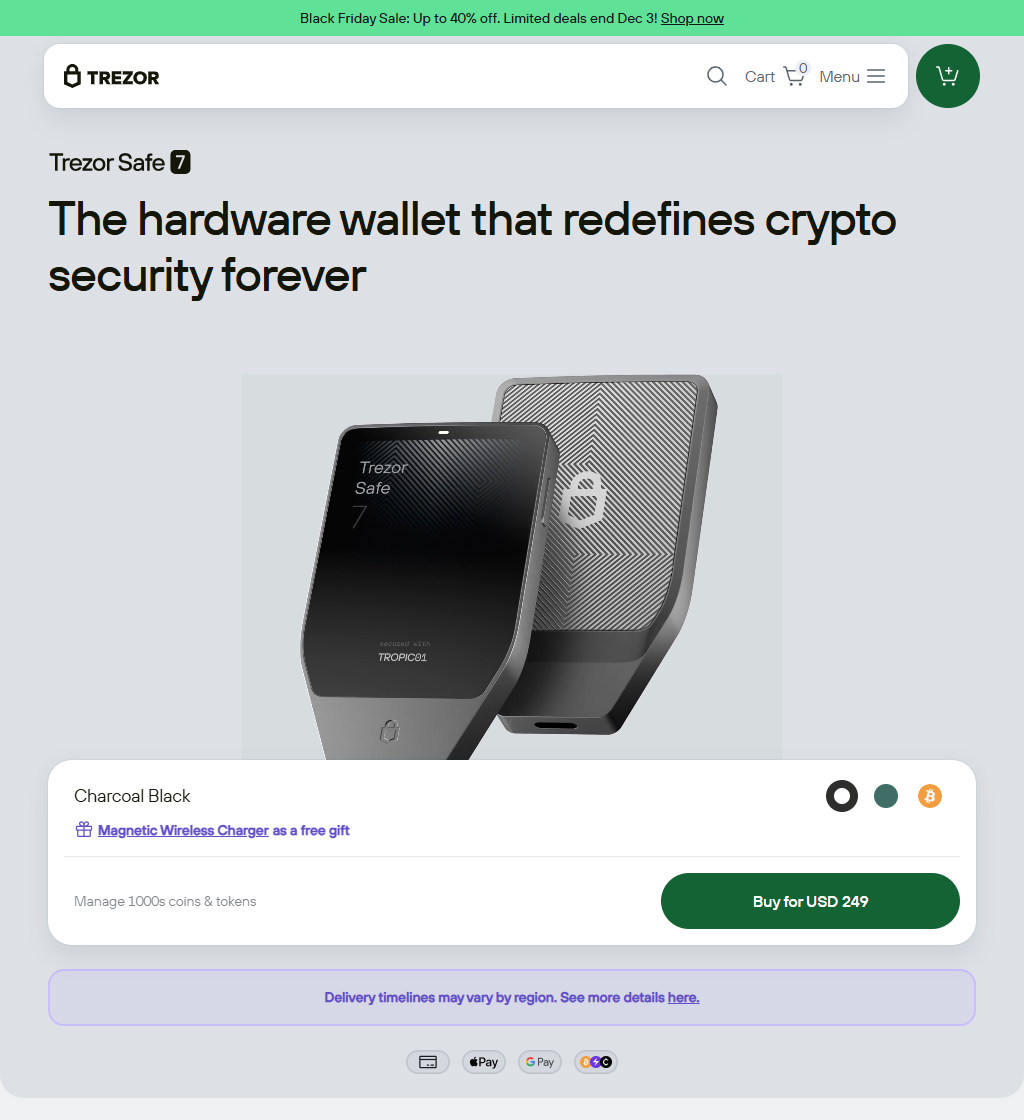
As the cryptocurrency ecosystem continues to expand and gain mainstream attention, the importance of securing digital assets has never been more critical. Cryptocurrencies offer immense potential for financial growth, but they also come with significant risks, especially when it comes to the safety of private keys. Private keys are the backbone of cryptocurrency ownership, granting access to your funds. Protecting these keys from theft or loss is paramount, and this is where hardware wallets like Trezor become indispensable.
A hardware wallet is a dedicated physical device that stores the private keys required to access and manage cryptocurrencies offline. Unlike software wallets that reside on computers or smartphones and can be vulnerable to hacking, hardware wallets provide a secure environment isolated from internet threats. Trezor is one of the first and most reputable companies to pioneer hardware wallets, setting high standards for security and usability in the cryptocurrency world.
The Trezor device acts as a secure vault that signs transactions internally. When you want to send cryptocurrencies, the transaction data is sent to the Trezor wallet, which processes and signs it without ever exposing your private keys. This approach eliminates the risk of your sensitive information being stolen through malware or hacking attempts.
At the heart of Trezor’s design philosophy is robust security. The device incorporates several layers of protection to ensure that your digital assets remain safe at all times. When you initialize a Trezor wallet, it generates a unique recovery seed composed of 24 words. This recovery seed is critical because it serves as a backup, allowing you to restore access to your funds if the device is lost or damaged.
Trezor devices do not store this recovery seed anywhere digitally or online, so it is imperative that users keep it in a secure physical location. Anyone who gains access to your recovery seed can control your cryptocurrency funds, which is why safeguarding it is crucial.
Additionally, Trezor includes a PIN system that prevents unauthorized access to the device. The PIN is entered on the device itself, using a randomized number grid displayed on the screen, protecting it from keyloggers or spyware that may be present on a connected computer. This makes it extremely difficult for attackers to guess or capture your PIN remotely.
While security is the primary goal, Trezor does not compromise on usability. The wallet is designed to be simple enough for beginners yet powerful enough for experienced users managing multiple cryptocurrencies. The physical device is compact and durable, equipped with a small screen and buttons that allow users to confirm transactions and navigate the interface securely.
The Trezor device connects to your computer or smartphone via USB. Users interact with it through dedicated software known as Trezor Suite, which provides an intuitive interface for managing wallets, checking balances, and sending or receiving cryptocurrencies. The software is regularly updated to enhance features and improve security.
One of the standout features of Trezor is its extensive support for a wide variety of cryptocurrencies. It covers all major coins like Bitcoin, Ethereum, Litecoin, and Bitcoin Cash, as well as numerous altcoins and tokens on the Ethereum network. This broad compatibility makes Trezor a one-stop solution for users who hold diverse crypto portfolios.
For investors who are actively trading or storing multiple cryptocurrencies, having a single hardware wallet that supports many assets simplifies management and reduces risks associated with using multiple storage methods.